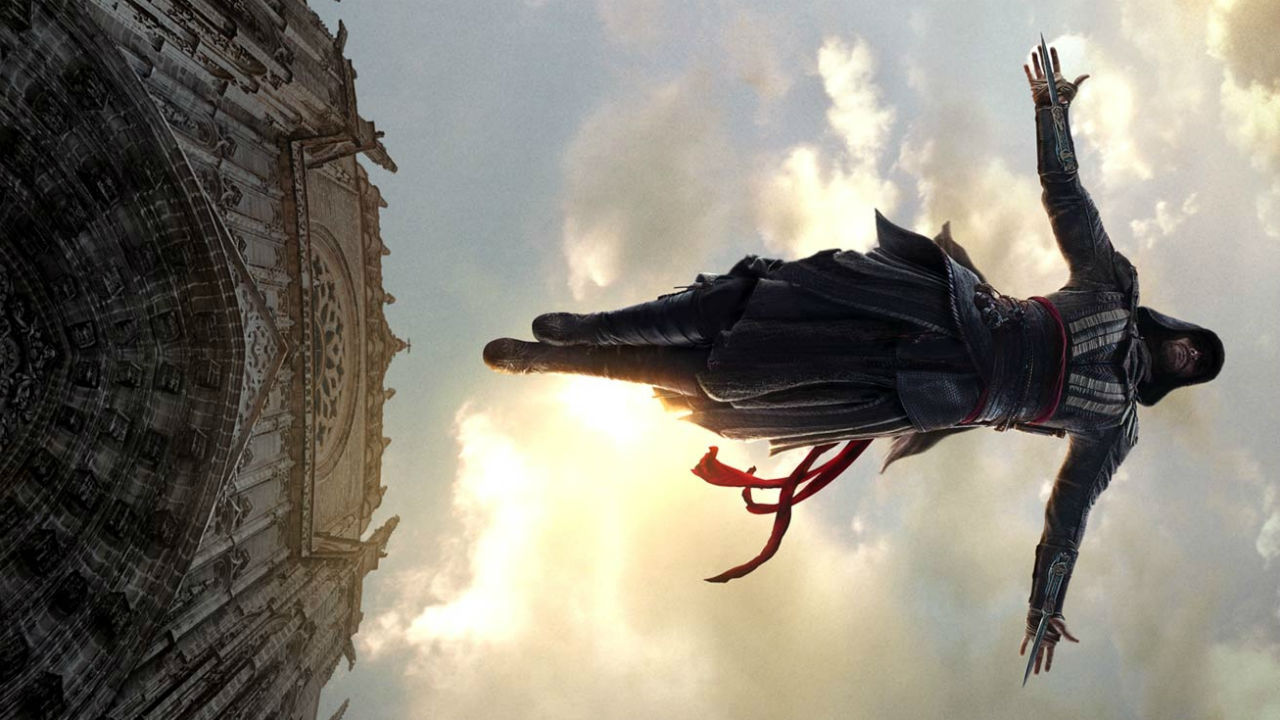
Based on a video game, “Assassin’s Creed” (2016) explores the possibility of accessing the memories of our ancestors through a simulation machine called Animus (spirit in Latin). This concept alludes to the present memory from birth, without sensory experience, and which is stored in the genetic code of the human. Some compare it to the process of epigenetics, which involve changes in the genome during the life of the individual and some become heritable. As Lamarck said, prior to Darwin’s theory of evolution.

The theory of genetic memory is based on processes such as phobias or instinctive behaviors, which are predetermined responses to an external stimulus. Some argue that neuropsychiatric disorders and trauma should also be included in this concept.

Some films have addressed this issue. The film “The Clan of the Cave Bear” (1986), based on a novel of the same name, shows a young Cro-Magnon who loses her family and is raised by Neanderthals. The latter have the ability to access, mainly by hallucinogenic plants, to the memory of their ancestors to gain knowledge, while the Cro-Magnons have the ability to abstract and inquire through the information they acquire individually.
Even in the movie “Alien: Resurrection” (1997), the fourth film in the saga (not counting the recent prequels) introduces this concept by the script of Joss Whedon. The main character, Ripley 8, is a kind of clone of the soldier Ellen Ripley (deceased in the previous film) combined with DNA of the Xenomorfos. It is discovered that these possess genetic memory and Ripley 8 possesses the memories of the original Ripley because of this (View cyberpunk stories).

Do you know any other film that has this type of subject?
Have you heard the concept of genetic memory?
 FILMONAUT